
Ultimate Guide to the Efficient Transportation of Non-Perishable Goods in Jamaica
The transportation of non-perishable goods in Jamaica is a crucial element of the nation’s supply chain. Given Jamaica’s strategic location in the Caribbean, efficient logistics are vital for both domestic distribution and international trade. Non-perishable goods, unlike their perishable counterparts, do not require stringent temperature controls, offering more flexibility but still presenting unique challenges. This comprehensive guide explores the best practices, technologies, and strategies to enhance the transportation of non-perishable goods in Jamaica.
| Headings | Sub-Headings |
|---|---|
| Overview of Non-Perishable Goods in Jamaica | Definition and Examples of Non-Perishable Goods in Jamaica |
| Importance in Jamaican Supply Chains | |
| Logistics in Non-Perishable Goods Transportation in Jamaica | Role of Jamaican Logistics Companies |
| Choosing the Right Transport Mode in Jamaica | |
| Challenges in Transporting Non-Perishables in Jamaica | Handling Large Volumes Locally and Internationally |
| Cost Management and Efficiency in Jamaica | |
| Technologies Improving Non-Perishable Goods Transport in Jamaica | Automation and Robotics in Jamaican Logistics |
| GPS and Real-Time Tracking for Jamaican Shipments | |
| Best Practices for Transporting Non-Perishables in Jamaica | Efficient Packaging Solutions for Jamaican Goods |
| Route Optimization Strategies in Jamaica | |
| Regulations and Compliance in Jamaica | Jamaican and International Shipping Regulations |
| Environmental and Safety Standards in Jamaica | |
| Cost-Effective Strategies for Jamaican Businesses | Bulk Shipping and Economies of Scale in Jamaica |
| Leveraging Jamaican Third-Party Logistics (3PL) | |
| Impact of Non-Perishable Goods Transportation on the Environment in Jamaica | Sustainable Transport Solutions in Jamaica |
| Reducing Carbon Footprint in Jamaican Logistics | |
| Future Trends in Non-Perishable Goods Transportation in Jamaica | Technological Innovations in Jamaica |
| Emerging Markets and Opportunities in Jamaica | |
| Case Studies and Real-World Examples in Jamaica | Successful Transportation Strategies in Jamaica |
| Lessons Learned from Jamaican Industry Leaders | |
| FAQs | - |
| Conclusion | - |
Overview of Non-Perishable Goods in Jamaica
Definition and Examples of Non-Perishable Goods in Jamaica
Non-perishable goods are items that can be stored for extended periods without spoiling. In Jamaica, these include products like canned foods, dry goods, electronics, clothing, furniture, and building materials. These items are essential for both the local market and export, supporting the Jamaican economy through stable trade activities.
Importance in Jamaican Supply Chains
Non-perishable goods are vital to Jamaica’s supply chains, ensuring a steady flow of goods to meet consumer demand. They are crucial for retail operations, manufacturing, and various other sectors. Efficient transportation of these goods helps maintain inventory levels and supports the country’s economic stability.

Logistics in Non-Perishable Goods Transportation in Jamaica
Role of Jamaican Logistics Companies
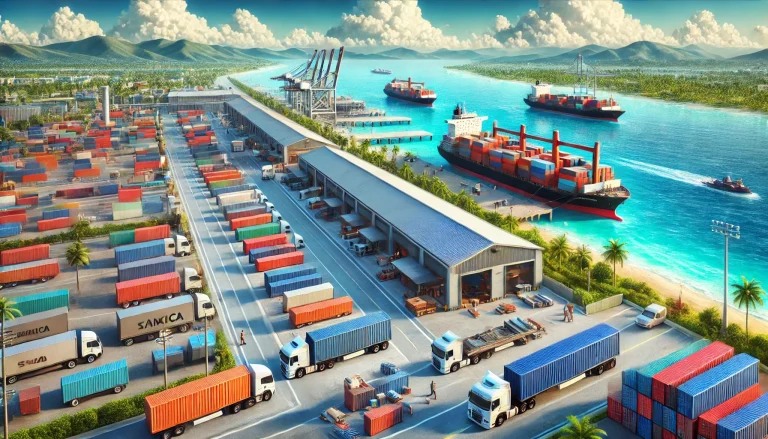
Jamaican logistics companies play a pivotal role in the transportation of non-perishable goods. They offer services like freight forwarding, warehousing, and distribution. Companies like Kingston Wharves Limited and Jamaica Freight & Shipping Co. Ltd. ensure that goods move smoothly from suppliers to consumers, both domestically and internationally.
Choosing the Right Transport Mode in Jamaica
Selecting the appropriate mode of transport is crucial in Jamaica. Options include road, rail, sea, and air. Sea freight is particularly important due to Jamaica’s island geography, facilitating large volume shipments to and from international markets. Road transport is essential for inland distribution, while air freight serves urgent or high-value shipments.
Challenges in Transporting Non-Perishables in Jamaica
Handling Large Volumes Locally and Internationally
Managing large volumes of non-perishable goods presents challenges such as storage space optimization, handling efficiency, and coordination. Effective inventory management and strategic planning are necessary to prevent delays and minimize costs.
Cost Management and Efficiency

Transportation costs in Jamaica can be influenced by factors such as fuel prices, tariffs, and labor expenses. Implementing cost-saving measures like consolidating shipments, optimizing routes, and negotiating better rates with carriers helps manage these expenses effectively.
Technologies Improving Non-Perishable Goods Transport in Jamaica
Automation and Robotics in Jamaican Logistics
The integration of automation and robotics in Jamaican logistics is transforming the industry. Automated warehouses and robotic sorting systems enhance efficiency and reduce human error, ensuring faster and more reliable transportation of non-perishable goods.
GPS and Real-Time Tracking for Jamaican Shipments
GPS and real-time tracking technologies are crucial for visibility and control over shipments. These tools help logistics companies in Jamaica plan optimal routes, monitor shipment status, and ensure timely deliveries, improving overall customer satisfaction.
Best Practices for Transporting Non-Perishables in Jamaica
Efficient Packaging Solutions for Jamaican Goods
Efficient packaging is key to protecting goods during transit and optimizing space. Using durable, stackable packaging materials helps prevent damage and makes handling easier during loading and unloading processes, ensuring goods arrive in excellent condition.
Route Optimization Strategies in Jamaica
Route optimization involves selecting the most efficient paths for transportation to minimize travel time and costs. Using advanced software and data analytics, logistics companies in Jamaica can identify the best routes, avoid traffic congestion, and reduce fuel consumption.
Regulations and Compliance in Jamaica
Jamaican and International Shipping Regulations
Compliance with both Jamaican and international shipping regulations is essential for smooth operations. This includes adhering to customs documentation requirements, import/export restrictions, and specific handling regulations for different types of non-perishable goods.
Environmental and Safety Standards in Jamaica
Jamaica has stringent environmental and safety standards to ensure sustainable and safe transportation practices. Companies must comply with guidelines from agencies like the Jamaica Environment Trust (JET) and international standards to minimize environmental impact and protect worker safety.
Cost-Effective Strategies for Jamaican Businesses
Bulk Shipping and Economies of Scale in Jamaica
Bulk shipping allows businesses to take advantage of economies of scale, reducing per-unit transportation costs. By consolidating shipments and negotiating favorable rates with carriers, Jamaican businesses can achieve significant cost savings.
Leveraging Jamaican Third-Party Logistics (3PL)
Outsourcing logistics to third-party providers offers numerous benefits. Jamaican 3PL companies provide comprehensive services, including transportation, warehousing, and distribution, enabling businesses to streamline operations and focus on core activities.
Impact of Non-Perishable Goods Transportation on the Environment in Jamaica
Sustainable Transport Solutions in Jamaica
Adopting sustainable transport solutions is vital for reducing environmental impact. Using fuel-efficient vehicles, implementing green logistics practices, and promoting the use of renewable energy sources are ways Jamaican businesses can contribute to sustainability.
Reducing Carbon Footprint in Jamaican Logistics
To reduce the carbon footprint, companies can optimize routes, maintain vehicles properly, and promote intermodal transportation. Participation in carbon offset programs also helps mitigate the environmental impact of transportation activities.
Future Trends in Non-Perishable Goods Transportation in Jamaica
Technological Innovations in Jamaica
Technological advancements are set to revolutionize the transportation of non-perishable goods in Jamaica. Innovations such as blockchain for supply chain transparency, drone deliveries, and AI-powered logistics platforms will enhance efficiency and reliability in the coming years.
Emerging Markets and Opportunities in Jamaica
Expanding into emerging markets presents new opportunities for Jamaican businesses. Understanding unique logistics challenges and leveraging local partnerships can help tap into these growing markets, boosting trade volumes and economic growth.
Case Studies and Real-World Examples in Jamaica
Successful Transportation Strategies in Jamaica
Examining successful strategies from leading Jamaican companies provides valuable insights. For example, GraceKennedy Limited has optimized its supply chain through advanced logistics technologies and strategic partnerships, ensuring efficient distribution of non-perishable goods.
Lessons Learned from Jamaican Industry Leaders
Lessons from industry leaders highlight the importance of adaptability, innovation, and a customer-centric approach. By studying these examples, Jamaican businesses can refine their transportation strategies and achieve better outcomes.
FAQs
Non-perishable goods in Jamaica include items like canned foods, electronics, clothing, and building materials that can be stored for long periods without spoiling.
Transporting non-perishable goods is crucial to maintaining inventory levels, meeting consumer demand, and supporting economic activities in Jamaica.
Challenges include handling large volumes, managing costs, and ensuring timely delivery while maintaining efficiency in Jamaica’s unique logistics landscape.
Technologies such as automation, robotics, and real-time tracking enhance the speed, accuracy, and visibility of shipments in Jamaica.
Best practices include using efficient packaging, optimizing routes, and adhering to Jamaican and international regulations and safety standards.
Jamaican businesses can implement sustainable transport solutions, optimize routes, and participate in carbon offset programs to reduce their environmental footprint.
Conclusion
Efficient transportation of non-perishable goods is essential for maintaining a robust supply chain in Jamaica. By leveraging advanced logistics technologies, adhering to best practices, and focusing on sustainability, Jamaican businesses can optimize their transportation strategies and achieve significant cost savings. As the industry continues to evolve, staying abreast of emerging trends and innovations will be crucial for long-term success in the transportation of non-perishable goods in Jamaica.
Looking for reliable 3PL road transportation services in Jamaica? Get a quote from Jude Logistics today and let us handle your logistics needs with professionalism and efficiency. Contact us now for a quote!