
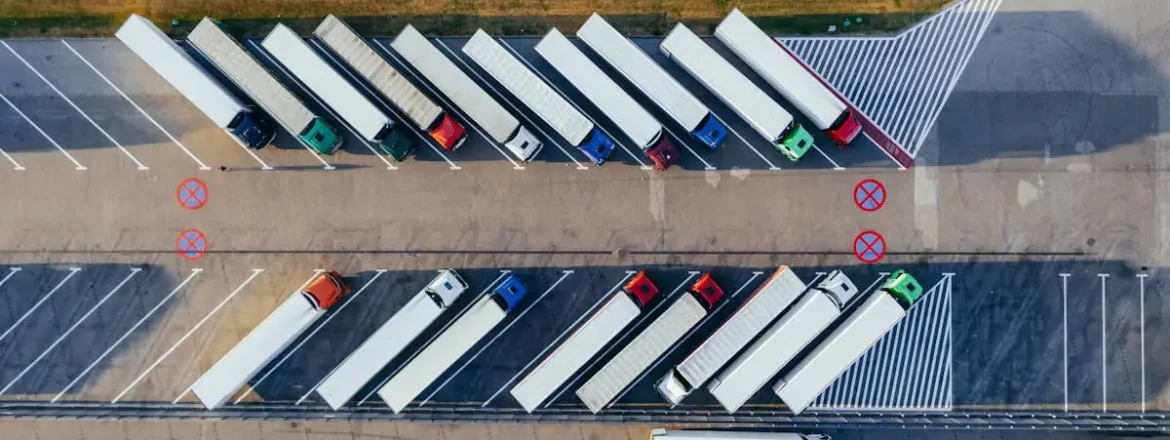
In the competitive world of trucking, cost efficiency is key to maintaining a successful operation. Optimizing your routes not only saves money but also improves driver satisfaction and reduces environmental impact. Here are twelve effective strategies to help you streamline your trucking routes.

1. Embrace Advanced Route Planning Software
Utilizing the latest in route planning technology allows for more accurate and efficient route mapping, ensuring drivers take the shortest, most cost-effective paths possible. The integration of advanced software solutions ensures that your fleet can dynamically adapt to changing conditions on the road. By leveraging sophisticated algorithms, these tools can predict the best routes by factoring in not only distance but also real-time variables like traffic patterns and weather conditions. Advanced route planning software helps trucking companies stay ahead by continuously refining routes based on historical data, thereby increasing overall efficiency.
Additionally, many of these software systems integrate seamlessly with other logistics tools, providing a comprehensive network of data and insights. This integration can lead to improved load management and even assist in driver training exercises, highlighting areas of improvement in route execution. As technology progresses, new features such as AI and machine learning are becoming integral components of these systems, offering predictive analytics that anticipate and mitigate potential disturbances before they even occur. This evolution in route planning not only saves on fuel and time costs but also enhances the safety and reliability of deliveries.
2. Prioritize Load Consolidation
By maximizing the load capacity of your trucks, you cut down on the number of trips required, directly reducing fuel consumption and operational costs. This practice is key in ensuring that the shipping operations are not just more efficient but also sustainable. Load consolidation involves combining multiple small shipments bound for the same location into one large one. This technique not only helps in reducing the carbon footprint by minimizing the number of trips but also optimizes the use of available space in each vehicle, leading to economies of scale.
Moreover, load consolidation enables better inventory management by reducing the frequency of low-load trips, which often are less cost-effective. Companies can utilize specialized software to identify opportunities for consolidation, understanding trends in volume and schedules to optimize loading sequences. By fostering partnerships with other businesses in the industry, there may be opportunities to share logistics resources, thereby reducing costs for all parties involved. This strategy ensures that trucks are always operating at full capacity, leading to reduced wear and tear on vehicles and fewer emissions per shipment.
3. Utilize Real-Time Traffic Data
Access to current traffic conditions helps drivers avoid congestion, saving time and fuel while also reducing stress on the road. The integration of GPS systems with real-time traffic data enables proactive rerouting to bypass traffic snarls, ensuring timely deliveries and increasing driver productivity. Regular updates mean that drivers can react almost instantly to incidents such as accidents or road works, selecting alternative routes which maintain efficiency.
Beyond congestion avoidance, real-time data can also provide insights into peak traffic times, allowing businesses to schedule deliveries during less traffic-heavy periods. This insight results in smoother routes and better fuel efficiency, optimizing the overall logistics strategy. The use of such data also supports the planning of maintenance schedules, as vehicles can be utilized more effectively when they spend less time idling in traffic, reducing potential downtime and maximizing output from each journey.
4. Incorporate Predictive Analytics
Predictive analytics provide insights into potential disruptions, enabling proactive route adjustments before issues arise, improving reliability. By examining historical data, predictive tools can forecast patterns and trends that might affect efficient trucking operations. With these insights, trucking companies can adjust their logistics planning to accommodate probable deviations, hence ensuring timely completion of deliveries despite external challenges.
Predictive models analyze a multitude of factors like weather conditions, construction schedules, and even sociopolitical events that might impact the trucking routes. Integrating these insights with logistic operations systems facilitates smarter decision-making processes and helps in formulating contingency plans that mitigate risks prior to their manifestations. Implementing predictive analytics in trucking not only enhances route efficiency but also contributes to building a resilient supply chain, protecting companies from significant losses due to unforeseen events.
5. Implement a Fuel Management System
Optimizing fuel consumption through targeted management systems can significantly lower operational expenses in the long run. Fuel management systems are crucial for reducing waste and improving the sustainability of trucking operations by monitoring consumption patterns and facilitating efficient fuel usage. These systems often incorporate features that allow for tracking fuel purchase data, consumption anomalies, and providing alerts for unauthorized usage.
Moreover, such systems can be integrated with route optimization tools, providing insights on the most fuel-efficient paths and driving behaviors that conserve fuel, ultimately leading to reduced emission rates and operating costs. By establishing accountability, these solutions aid fleet managers in identifying areas where potential savings exist, enabling them to make informed decisions about fuel procurement and vehicle maintenance schedules. Over time, this enhanced visibility into fuel usage translates into substantial cost savings and contributes to the company’s overall sustainability goals.
6. Conduct Regular Driver Training
Ensuring drivers are well-versed in eco-friendly driving techniques can lead to more efficient fuel usage and safer driving habits. Regular training programs designed to instill best practices in fuel-conscious driving are vital in maintaining the overall health of your fleet. These programs usually emphasize smooth acceleration and braking, maintaining optimal speeds, and active vehicle monitoring. Notably, training drivers to utilize onboard technology aids in real-time route adjustments, thereby enhancing every trip’s cost efficiency and safety.
In addition to fuel-saving techniques, driver training can include modules on customer service, time management, and vehicle maintenance checks. These skills prepare drivers not only to be effective on the road but to also encounter any challenges confidently and reduce on-road incidents. Regular training not only keeps the driver’s skills sharp but also results in improved driver morale, job satisfaction, and a lower turnover rate. Such initiatives are crucial as they contribute directly to the successful implementation of optimized trucking operations and foster a strong, knowledgeable workforce within the company.