
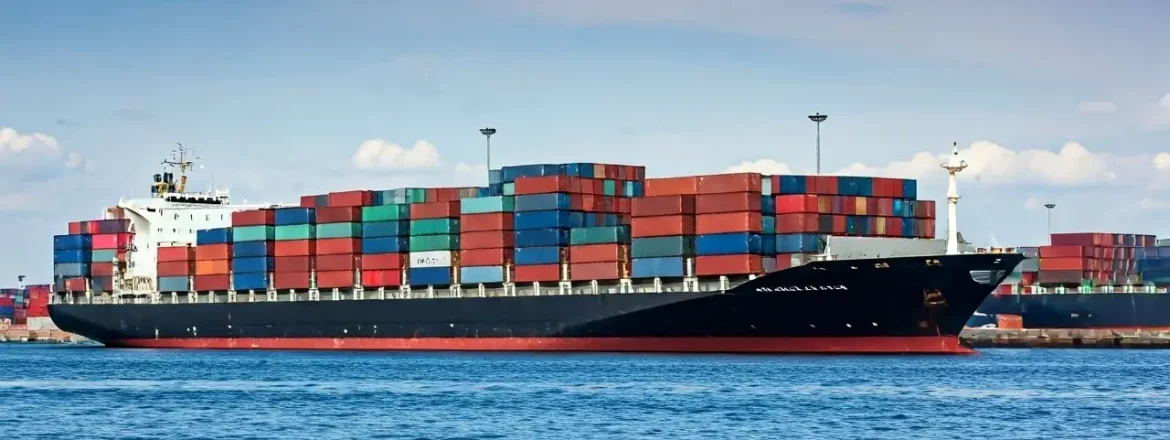
Container transport services have revolutionized the logistics industry, making the global exchange of goods more efficient and reliable. From their conceptual beginnings to their pivotal role in modern supply chains, understanding the evolution of container transport services provides insights into the complexities of global trade.

The Birth of Containerization
The introduction of standardized containers in the mid-20th century marked a turning point in the transportation of goods. This innovation was driven by the need for more efficient, less fragmented shipping methods, propelling global trade forward. The concept of containerization simplified the loading and unloading processes, reducing time spent at ports and contributing to the rise in global commerce. As global trade expanded, the demand for these uniform boxes further increased, leading to enhanced production and distribution networks.
One of the pioneering influencers of containerization was Malcolm McLean, who in 1956 developed a system where goods could be loaded into trailers transferable between trucks, ships, and trains without handling the cargo itself. This method significantly reduced transfer costs and time, a revolutionary change for that era. By enabling a seamless transition across multiple transport modes, containerization not only reduced costs but also slashed the time goods spent in transit, laying the groundwork for today’s sophisticated logistics network.
Impact on Global Trade
Container transport services significantly reduced shipping costs and transit times, leading to an explosion in international trade. Their influence on the global economy has been enduring, reshaping supply chains and business strategies worldwide. With faster transit times, businesses could expand internationally, reaching new markets and acquiring goods globally, which fostered an era of economic globalization. The ease of transporting large quantities of goods efficiently provided a competitive edge and sparked a wealth of opportunities in international commerce.
This transformation set the stage for businesses to rethink their supply chains. The use of containers ensures that products reach distant markets with reduced risk of damage and improved consistency. As a result, the global retail and manufacturing sectors drastically shifted, allowing for the proliferation of global brands and mass production. Regions with access to substantial shipping networks could now leverage containerized shipping for robust economic growth, underlining its vital role in the modern economy.
Technological Advancements and Automation
With the rise of digital technology, container transport services have embraced automation and smart technologies, improving tracking systems, and boosting operational efficiency. This shift has modernized ports and shipping practices, making logistics more streamlined. The advent of container tracking technologies like RFID and GPS allows for real-time updates and detailed monitoring of goods, enhancing customer satisfaction by providing precise delivery timelines and proactively managing unforeseen obstacles.
Automation plays a significant role in enhancing efficiency at ports. Container terminals now employ automated cranes, robotic dock workers, and even autonomous vehicles to transfer containers from ships to shore. Such technological adoptions not only speed up the process but also minimize the chances of human error, further safeguarding the goods in transport. As the number of global trades increases, these innovations ensure that the logistics sector keeps pace with the growing demand.
Challenges and Opportunities
Despite numerous advancements, container transport services face challenges such as port congestion, regulatory issues, and environmental concerns. These challenges also offer opportunities for innovation, particularly in developing sustainable and eco-friendly practices. To mitigate port congestion, some ports are turning to digital scheduling and pre-berthing allocations to orchestrate smooth transitions for arriving vessels. Regulatory complexities highlight the need for a coherent international standard that streamlines cross-border container operations.
Environmental considerations push the industry towards greener technologies. As global scrutiny on carbon footprints intensifies, the development of low-emission vessels and the adoption of cleaner fuels gain momentum. Collaborations between logistics companies and environmental organizations aim to create an ecosystem where shipping contributes to sustainability goals. As such, efforts to innovate eco-friendly alternatives are encouraged, opening up pathways for sustainable growth in the sector.
Integrating Sustainable Practices
Sustainability has emerged as a crucial focus, prompting the integration of eco-friendly technologies and practices in container transport. From reducing emissions to using alternative fuels, the industry strives to balance economic growth with environmental responsibility. Leveraging alternative fuels like LNG (Liquefied Natural Gas) and biofuels provides a promising route to reducing emissions. Moreover, container shipping companies prioritize energy-efficient practices and invest in innovation to cut down on fuel consumption and greenhouse gas emissions.
The adoption of smart technologies also empowers the shipping industry to enhance operational efficiency and reduce waste. Technologies such as blockchain and AI help optimize routes, ensure compliance with regulations, and forecast potential disruptions, thereby cutting down on unnecessary fuel usage. Companies like Nationwide Transport Services illustrate the shift towards integrating smart solutions and maintaining ecological balance in transport services, setting benchmarks of sustainability.
The Future of Container Transport Services
Container transport services have proven to be an indispensable aspect of the logistics industry, adapting to and overcoming challenges while continuously evolving. As technology advances and global trade grows, these services will undoubtedly continue to innovate, striving for greater efficiency, sustainability, and integration. For more insights and updates about container transport and logistics, visit our business homepage and stay informed with the latest trends in the industry.