
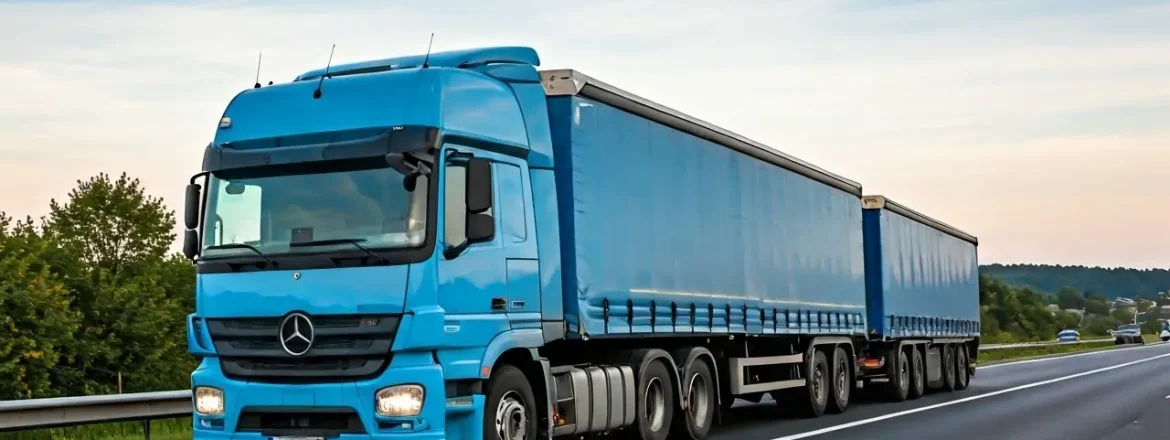
Haulage plays a vital role in the transportation industry, enabling the movement of goods over short and long distances. Understanding the various aspects of haulage can help businesses optimize their logistics and transportation processes.

What is Haulage?
Haulage refers to the process of transporting goods by road or rail. It typically involves the use of commercial vehicles to move large quantities of goods from one location to another. Haulage services are crucial in ensuring that goods reach their intended destinations efficiently and safely.
The term ‘haulage’ is often used interchangeably with ‘freight,’ but they have subtle differences. While ‘freight’ refers to goods being transported, ‘haulage’ specifically pertains to the act of carrying those goods. It’s a term that encapsulates everything from the logistics planning to the actual movement of products.
In the context of road transportation, haulage usually involves large trucks or lorries equipped to handle various types of merchandise. These vehicles are essential in supporting a range of industries by facilitating the timely delivery of raw materials, finished products, and perishable goods.
Types of Haulage
There are two main types of haulage: long-haul and short-haul. Long-haul involves transporting goods over long distances, usually between different cities or countries. This form of haulage is often associated with large freight trucks and specialized logistics planning to navigate cross-border regulations.
Short-haul, on the other hand, covers shorter distances within the same city or region. This type of haulage is commonly used for local deliveries, often assisted by smaller vehicles that can navigate urban environments more easily. Both types need the support of well-maintained infrastructure and efficient route planning.
Another approach to categorize haulage is based on the types of goods being transported. For example, temperature-controlled haulage is essential for perishable goods like food and medicine. Cold chain logistics ensures these products maintain consistent temperatures throughout their journey, preventing spoilage and ensuring safety.
Vehicles Used in Haulage
Various types of vehicles are used in haulage, including trucks, lorries, and trailers. The choice of vehicle depends on the type and volume of goods being transported, as well as the distance of the haulage. Heavy-duty trucks are typically used for long-haul journeys, while smaller vehicles might be employed for short-haul routes.
Specialized vehicles, like flatbed trucks, refrigerated trucks, and container trucks, are also integral to haulage. These vehicles are designed to cater to specific needs, such as transporting oversized items, maintaining temperature control, or ensuring secure cargo handling. Explore more about the advantages of utilizing containerization in transport to streamline logistics operations.
Technological advancements are also making significant impacts on haulage vehicle design. Innovations in fuel efficiency, autonomous driving, and telematics are enhancing the capabilities and efficiency of haulage vehicles, ensuring timely and cost-effective delivery of goods.
Cost Factors in Haulage
Several factors influence the cost of haulage, such as fuel prices, vehicle maintenance, driver wages, and toll charges. Fuel is often the most significant expense, heavily influenced by global oil prices and fuel efficiency of the haulage vehicles.
Maintenance costs can also be substantial, as commercial vehicles require regular servicing to remain reliable and safe. Additionally, driver wages vary depending on the haulage type, with long-haul drivers typically earning more due to the extended time spent on the road.
Toll charges and road taxes further contribute to haulage costs. These charges can vary significantly depending on the country or region, making it essential for haulage companies to consider these factors when planning routes and pricing their services.
Regulations and Compliance
Haulage companies must adhere to various regulations and compliance standards, including vehicle safety, driver working hours, and environmental policies. Ensuring compliance with these regulations is not just a legal necessity but also crucial for the safety and efficiency of haulage operations.
In many regions, regulations mandate specific rest periods for drivers to prevent fatigue and reduce the risk of accidents. Environmental policies might require companies to adopt cleaner technologies and reduce their carbon emissions, aligning with global sustainability goals.
Adhering to these regulations can be challenging, but it’s necessary to avoid significant penalties and ensure smooth operations. Companies can stay updated with industry trends and regulatory changes by following Jude Logistics News.
The Future of Haulage
Technological advancements are shaping the future of haulage, with innovations such as autonomous vehicles, telematics, and route optimization software. These technologies aim to enhance efficiency and reduce operational costs. For instance, the use of telematics allows companies to gather real-time data on vehicle performance and route conditions, enabling more informed decision-making.
Autonomous vehicles are another groundbreaking development in haulage. They promise to revolutionize the industry by reducing human error, optimizing fuel efficiency, and lowering operational costs. However, their integration into the existing haulage framework is still a work in progress, faced with regulatory and technological challenges.
Emerging software solutions for route optimization are helping haulage companies minimize travel time and fuel consumption, ensuring timely deliveries and reducing environmental impact. These advancements make the future of haulage both exciting and promising.
The emphasis on sustainability is also driving changes in the haulage industry. Companies are increasingly investing in electric and hybrid vehicles to reduce their carbon footprint. These investments not only align with global sustainability goals but also provide long-term cost savings on fuel and maintenance.
Conclusion
Haulage is an integral part of the transportation network, providing essential services for a wide range of industries. By understanding the types, vehicles, and costs associated with haulage, businesses can make informed decisions to enhance their logistics operations.